Bulky rubbish pickup Whetstone station area tips
Posted on 10/08/2026
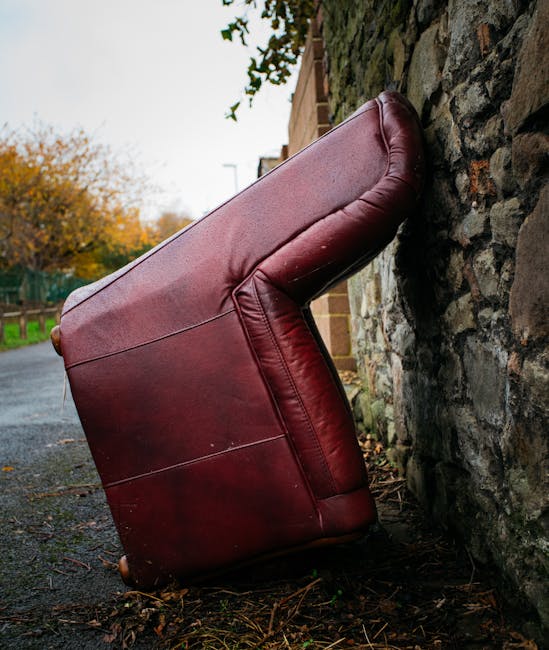
If you are dealing with a sofa that will not fit through the hallway, a wardrobe that has seen better days, or a pile of awkward old items waiting by the door, you are not alone. Bulky rubbish pickup in the Whetstone station area sounds simple enough on paper, but in real life it can turn into a bit of a juggle. Access, timing, parking, sorting, and what counts as "bulky" all matter. Get one piece wrong and suddenly the day feels longer than it should.
This guide gives you practical, local-minded tips for handling bulky item removal around Whetstone station without the usual stress. You will find out how the process works, what to prepare, which mistakes people make most often, and how to choose the most sensible option for your situation. It is written to help you make a calm, informed decision - not just to tick a box.
- Why it matters
- How the process works
- Key benefits and practical advantages
- Who needs this and when it makes sense
- Step-by-step guidance
- Expert tips for better results
- Common mistakes to avoid
- Tools, resources and recommendations
- Law, compliance, standards and best practice
- Options and comparison table
- Case study example
- Practical checklist
- Conclusion
- Frequently asked questions
Why Bulky rubbish pickup Whetstone station area tips Matters
Bulky waste is not the same as day-to-day bin waste. It is bigger, harder to move, and more likely to create a nuisance if it is left in shared spaces or near a pavement for too long. Around Whetstone station, where homes, flats, small businesses, and busy footpaths can sit close together, poor planning tends to show up quickly. One mattress leaning outside for a few hours can become everyone's problem.
Good bulky rubbish planning matters because it protects access, keeps neighbours happy, and reduces the chance of damage or missed collections. It also helps you avoid the classic last-minute panic: the van is due, the item will not fit, the lift is tiny, and nobody has checked whether the old chest of drawers actually comes apart. Happens more often than you'd think.
There is also a cost angle. If you sort items properly before pickup, you are less likely to pay for extra handling time or second visits. And if your items can be reused or recycled, you may be able to take a more sustainable route rather than sending everything straight to disposal. That is better for the street, and frankly better for your conscience too.
If your clear-out is part of a larger property move or refurbishment project, you may find it useful to read more broadly about house clearance in Barnet or the wider waste removal options that can handle mixed loads efficiently.
How Bulky rubbish pickup Whetstone station area tips Works
At a practical level, bulky rubbish pickup usually follows a simple pattern: identify the items, separate anything reusable or hazardous, get a price or booking arranged, prepare the items for collection, and then make sure access is clear on the day. The specifics vary depending on the provider and the type of waste, but the workflow is broadly the same.
In the Whetstone station area, access is often the main detail people underestimate. Tight residential streets, limited parking, shared driveways, and stairwell-heavy blocks can all affect how quickly items can be taken away. If collection crews need to carry items further than expected, or dismantle furniture on site, that should be discussed in advance. It is one of those things that seems obvious only after the fact.
Bulky pickups also tend to work better when the load is grouped logically. For example, one old sofa, two broken bedside cabinets, and several bags of cushions are easier to assess than a random pile with loose screws, lamp parts, and a half-finished shelf panel hidden underneath. Good sorting speeds up removal, and it usually makes quoting more accurate too.
For people comparing different service types, the broader services overview is a useful place to understand how collection, clearance, and disposal support different situations.
Key Benefits and Practical Advantages
The best bulky rubbish pickup is not just about getting rid of things. It solves a handful of everyday headaches at once.
- Less clutter: large items stop dominating hallways, spare rooms, gardens, or office corners.
- Safer access: removing trip hazards makes shared spaces easier to use, especially in tight buildings.
- Quicker turnaround: once bulky waste is gone, decorating, moving, or cleaning becomes easier.
- Better presentation: this matters if you are renting, selling, or preparing a property for viewings.
- Lower stress: fewer moving parts, fewer arguments about who can lift what, and less "we'll do it next weekend".
There is a quieter benefit too: momentum. Once the worst items are out, the rest of the job suddenly feels doable. A room can go from hopeless to manageable very quickly. That first pickup really does set the tone.
For landlords, agents, and anyone tidying a property near the station, timing can be especially useful. A clean, empty space is easier to let or prepare for sale. If that is part of your plan, you may also want to look at investing in Barnet real estate tips and steps to buy property in Barnet for the wider property context.
Who This Is For and When It Makes Sense
Bulky rubbish pickup around Whetstone station makes sense for a wide mix of people, not just homeowners doing a spring clean. In practice, it is useful for:
- tenants clearing a flat before a move-out inspection
- landlords refreshing a property between lets
- families replacing large furniture
- people clearing a garage, loft, or shed
- small offices removing old desks, chairs, or filing units
- builders or renovators needing fast clearance of mixed bulky debris
It also makes sense when the items are awkward, heavy, or too many for a car load. Let's face it, few people want to wrestle a wardrobe panel onto a train platform at the end of a long day. And if the item has seen damp, pests, or heavy wear, you probably do not want it hanging around much longer than necessary.
If your project involves outside storage, garden structures, or plant cuttings rather than indoor items, the advice shifts slightly. In that case, garden waste removal in Barnet may be the better fit, and the article on garden rubbish removal in New Barnet and Oakleigh Park gives helpful adjacent context.
Step-by-Step Guidance
If you want the day to run smoothly, work through the job in this order. It sounds basic, but the order matters more than people think.
- List everything that needs to go. Walk through the room, garden, or storage area and write down every bulky item. Include item type and approximate size.
- Separate what can be reused. Good-condition furniture, appliances, and fixtures may be suitable for reuse. If not, keep them in the disposal pile.
- Check for hazardous items. Paints, chemicals, gas canisters, batteries, and some electrical items need special handling. Do not mix these in blindly with general bulky waste.
- Measure access. Note staircase width, lift size, parking restrictions, and any locked gates or intercom issues. A few minutes here can save a lot of back-and-forth later.
- Take quick photos. Photos help with quotes and reduce misunderstandings. One clear image is usually worth several explanatory messages.
- Ask how the item will be removed. Some items may need dismantling. Others can be lifted as-is. It is better to know before collection day.
- Prepare the area. Move smaller objects out of the way, clear corridors, and make sure the route is usable. You want easy movement, not a mini obstacle course.
- Confirm timing and contact details. Check the collection window, the arrival process, and who should be available.
- Keep pathways clear on the day. If possible, leave items where crews can load them safely without blocking neighbours or entrances.
- Ask for disposal confirmation if needed. If you need records for a landlord, agent, or business file, make that clear in advance.
A small but useful rule: if an item needs two people to lift it safely, do not leave the lift-yourself option as plan A. That is how backs get grumpy.
Expert Tips for Better Results
In our experience, the difference between a smooth pickup and a messy one usually comes down to a few small choices. Here are the ones worth paying attention to.
1) Treat access as part of the job, not an afterthought
Access is often the hidden cost in bulky rubbish work. A single item may be lightweight, but if it has to be carried down several narrow flights of stairs, through a shared entrance, and around limited parking, the job becomes more involved. Be honest about the access conditions. It saves time and avoids awkward surprises.
2) Bundle similar items together
Keep wood with wood, metal with metal, textiles with textiles where possible. Mixed loads are often still fine, but tidier grouping helps with sorting and recycling. It also makes it easier to spot anything that should not be there.
3) Dismantle what you safely can
Flat-pack furniture, bed frames, and shelving units often take up far less space once broken down. Even partial dismantling can reduce collection time. Do not force it, though. If a piece is fixed, stubborn, or wobbly in a dangerous way, leave it to the crew.
4) Time the pickup to fit your day
Morning pickups are often easier if your building is busy later in the day. Afternoon collection can work well when you need a few extra hours for sorting. There is no universal best time, but there is usually a best time for your building. That distinction matters.
5) Keep the weather in mind
Rain, wind, and early dark evenings can all make bulky removal more awkward. A damp sofa or wet cardboard is no one's favourite thing to carry. If the forecast looks grim, try to store items under cover until collection.
For larger property projects, especially if the bulky items are part of a renovation or strip-out, the page on builders waste disposal in Barnet is worth a look because the handling approach is a little different from normal household rubbish.

Common Mistakes to Avoid
There are a handful of errors that come up again and again. Nothing dramatic, just the sort of things that make a simple job feel twice as annoying.
- Leaving everything until the morning of collection. You then discover items are too heavy, too large, or blocked by smaller clutter.
- Not mentioning access restrictions. A narrow stairwell or no-parking zone can change the entire plan.
- Mixing bulky waste with hazardous materials. This is not a safe shortcut and should never be guessed at.
- Forgetting about shared spaces. In flats and maisonettes, hallways and entrances need to stay usable for others.
- Assuming all bulky waste is handled the same way. Furniture, appliances, green waste, and renovation debris may be dealt with differently.
- Choosing a service only on price. Cheapest is not always simplest. Sometimes it just means extra hassle later. Strange but true.
Another common slip is not checking what happens after the pickup. If you are trying to be more sustainable, ask how items are sorted and whether reusable materials are diverted away from disposal. It is a simple question, and a sensible one.
Tools, Resources and Recommendations
You do not need a warehouse of specialist equipment to manage bulky rubbish properly, but a few basic tools help a lot.
- Measuring tape: useful for doors, hallways, and bulky items that may need dismantling.
- Marker labels or sticky notes: handy if you want to separate keep, donate, and dispose piles.
- Work gloves: useful for sharp edges, splinters, and dusty surfaces.
- Heavy-duty bags or boxes: ideal for loose fittings, brackets, cushions, or smaller fragments.
- Basic screwdriver or hex key set: enough for simple dismantling jobs.
- Phone camera: for photos and evidence of the item condition before collection.
On the service side, it helps to think in terms of the type of clearance you actually need. A few broad categories are often enough:
- single-item pickup for one large object
- mixed household bulky waste removal
- full or partial property clearance
- office furniture clear-out
- garden or outdoor debris removal
If you want to understand the company background and how it frames service delivery, the about us page is a sensible stop. For pricing clarity, the pricing and quotes page is also useful when you are comparing options or trying to budget properly.
Law, Compliance, Standards, or Best Practice
Bulky rubbish work is not just about lifting and loading. There are also legal and practical expectations around responsible disposal. In the UK, waste must be handled properly by the person or business arranging it, which means you should be careful about who removes your rubbish and where it ends up. If you are using a third party, it is wise to ask how they handle disposal and recycling, and whether they operate responsibly.
Best practice is fairly straightforward:
- do not leave waste on the pavement unless collection arrangements allow it
- keep hazardous items separate from general bulky waste
- avoid blocking communal entrances, driveways, or fire exits
- check that electrical items are treated appropriately
- keep records if the removal is linked to a tenancy, business move, or property handover
Safety matters too. Large items can be awkward in tight spaces, and rushing is where accidents happen. A cautious, steady approach is usually faster in the end. For readers who want to understand operational safeguards and expectations, the insurance and safety page is a helpful companion, and the recycling and sustainability page gives context on responsible waste handling.
Business customers should also pay attention to data or contents left in old office furniture, filing cabinets, or desks. It sounds boring, but it matters. Always check drawers and boxes before removal. You would be surprised what turns up in the back of a drawer after a long time.
Options, Methods, or Comparison Table
There is more than one way to handle bulky rubbish near Whetstone station. The right choice depends on how much you have, how urgent it is, and how easy the items are to move.
| Option | Best for | Pros | Possible drawbacks |
|---|---|---|---|
| Single-item pickup | One sofa, mattress, wardrobe, or appliance | Simple, fast, focused | Less efficient if you have several items |
| Mixed bulky waste collection | Several large items from a home or flat | Convenient, time-saving | Needs clearer sorting and access planning |
| House clearance | Full rooms, estate contents, end-of-tenancy clear-outs | Comprehensive, reduces effort | May be more than you need for a small job |
| Office clearance | Desks, chairs, storage units, office clutter | Good for business premises and relocations | Needs careful handling of access and contents |
| Garden waste removal | Branches, soil, fencing offcuts, outdoor debris | Useful for seasonal jobs | Not ideal if mixed with heavy household waste |
If your job has grown beyond a simple one-off pickup, comparing these options early can save a bit of faff later. It also helps you avoid paying for the wrong type of service. That part is easy to overlook.
Case Study or Real-World Example
Here is a realistic scenario. A flat near the Whetstone station area is being cleared before new tenants move in. The property has an old two-seater sofa, a broken coffee table, a mattress, a flat-pack wardrobe with missing fixings, and several bags of general clutter. The hallway is narrow, and there is shared access with neighbouring flats.
The most efficient approach is to sort the items the day before, measure the widest doorway, and take quick photos of each bulky item. The wardrobe is partially dismantled so the panels can be carried more safely. The sofa is checked to see whether it needs two people or can be handled in sections. The collection is booked for a time when the shared entrance is least busy.
On the day, the route is kept clear, the bags are moved away from the front door, and the team can load everything without awkward backtracking. The job goes faster because the access was planned properly. Simple, really. Not glamorous, but effective.
That same approach would work just as well for a small office removal or a landlord refresh after a tenancy ends. The details change, but the principle stays the same: sort, measure, prepare, and communicate.
Practical Checklist
Use this quick checklist before any bulky rubbish pickup in the Whetstone station area.
- List every bulky item clearly
- Separate reusable items from true waste
- Keep hazardous materials apart
- Measure doors, stairs, lifts, and access points
- Take photos of the load
- Confirm parking or loading access
- Ask whether dismantling is needed
- Clear hallways, driveways, and entrances
- Choose a pickup time that suits the building
- Keep records if the removal is linked to a tenancy or business move
And one more thing: do a final sweep of drawers, sofa cushions, and cupboard tops. Tiny items love to hide there. It is almost rude how often that happens.
Get a free quote today and see how much you can save.
Conclusion
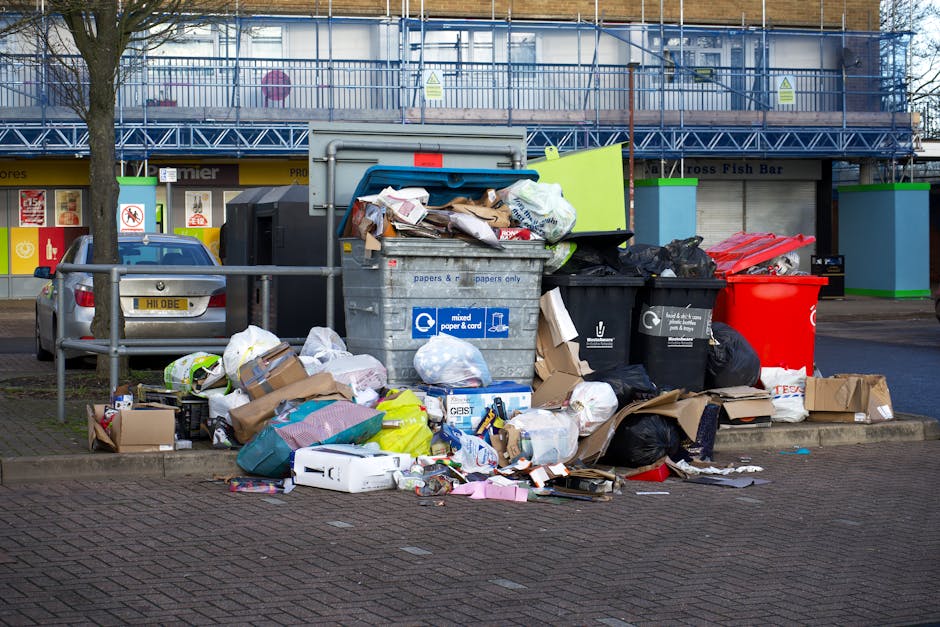
Bulky rubbish pickup in the Whetstone station area does not need to be complicated. The key is to treat it as a small project, not a last-minute scramble. Once you sort the items, plan access, and choose the right removal method, the rest becomes much easier. You save time, avoid stress, and reduce the chance of damaged walls, frustrated neighbours, or forgotten hazards.
Whether you are clearing a flat, dealing with old office furniture, or making space before a move, the same practical habits apply. Be clear, be ready, and do not underestimate the awkwardness of one heavy item at the wrong angle. A little planning goes a long way.
If you are ready to move the job forward, the smartest next step is to gather a quick list of items and compare the service that best fits your space. Then you can get the clutter out of the way and breathe a bit easier. Honestly, that first clear floor can feel like a small victory.
 Tipper Van - Property Waste Removal and Rubbish Removal Prices in Barnet, EN5
 Luton Van - Property Waste Removal and Rubbish Removal Prices in Barnet, EN5