Rubbish removal Hadley Wood estate options
Posted on 28/08/2026
Rubbish removal Hadley Wood estate options: a practical guide for homes, landlords, and busy households
If you are weighing up rubbish removal Hadley Wood estate options, you are probably dealing with one of those jobs that looks simple at first and then, suddenly, isn't. A few broken items in the garage. A post-renovation mess. A garden cutback that turned into a small mountain. Or maybe you are managing a property and need the place cleared quickly without making a weekend of it. Either way, the right approach depends on what you need gone, how fast it needs to happen, and how much lifting you want to do yourself.
This guide breaks the process down in plain English. You will see how estate rubbish removal usually works, what choices are available, where the real advantages lie, and which mistakes waste time or money. There's also a checklist, a comparison table, and a few practical notes on safety, compliance, and local expectations. No fluff. Just the stuff that helps you make a sensible decision.
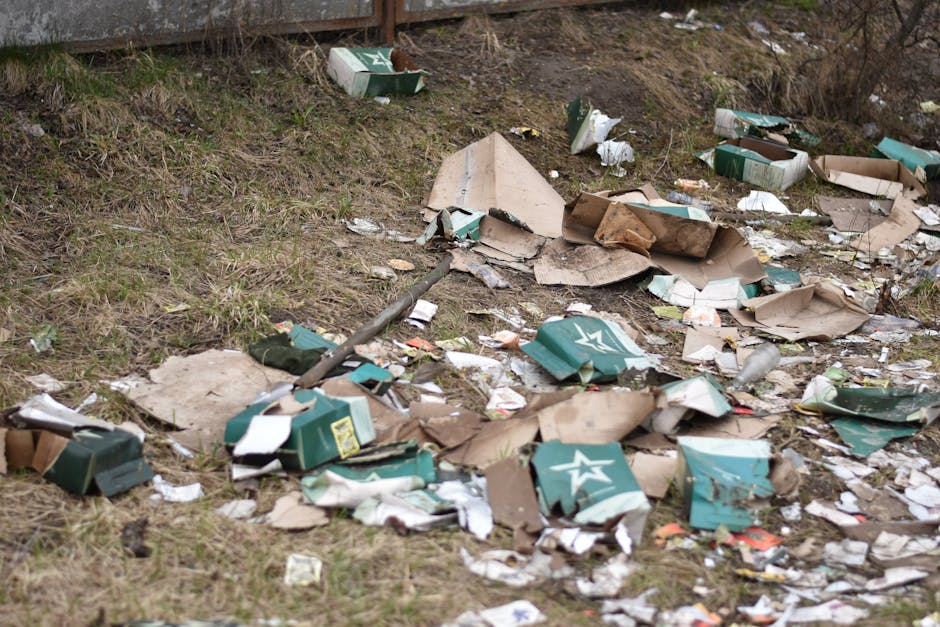
Why rubbish removal options matter in Hadley Wood estates
Estate properties tend to create a very particular kind of rubbish problem. There is often more volume, more variety, and more expectation that everything should be handled neatly and discreetly. A single property can generate furniture, white goods, garden waste, packaging, shed contents, old carpet, builders' debris, and the odd mystery item that nobody wants to claim. You know the type.
In Hadley Wood, presentation matters too. Shared access roads, private drives, neighbours close by, and more carefully maintained surroundings mean that a messy skip or a pile of waste on the frontage can feel out of place very quickly. That is why estate rubbish removal is less about "getting rid of stuff" and more about choosing the least disruptive, most efficient option.
There is also a practical side. If you are selling, letting, renovating, or simply trying to keep on top of the property, waste left too long can get in the way of viewings, tradespeople, or everyday use. And let's face it, clutter has a way of spreading. One spare room becomes two. Then the hallway. Then the garage. Then you are navigating around a broken chair like it has become part of the architecture.
If your situation overlaps with a wider house move or estate sale, it can help to read about local property planning as well, such as the steps involved in buying property in Barnet or practical investing tips for Barnet property owners. Different decisions, same basic lesson: timing and preparation save a lot of stress.
How rubbish removal Hadley Wood estate options works
Most estate clearance jobs follow a similar pattern, even if the details change from one property to the next. First comes the assessment. You work out what needs to go, whether there are bulky items, whether anything needs dismantling, and whether there are special items such as fridges, mattresses, paint, or electricals.
Then comes the method. In real terms, you usually have a few routes:
- Book a one-off rubbish collection for mixed waste or bulky items.
- Arrange a waste removal service for larger clearances or ongoing needs.
- Use a house clearance approach when a property needs a fuller emptying.
- Use a builders' waste option for renovation debris, plaster, timber, or packaging.
- Use a garden waste service for green cuttings, branches, soil, and outdoor debris.
The job itself is usually straightforward once it has been planned properly. Items are removed, loaded safely, and taken away for sorting. A good operator should separate reusable and recyclable material where possible rather than sending everything to disposal. That part matters more than people think.
For example, if a Hadley Wood estate property has a mixture of old furniture, cardboard from a delivery, and a heap of hedge trimmings, the best approach may be a combined collection rather than several separate small trips. It is often faster, cleaner, and less awkward for everyone involved.
If you are handling larger clearances, the service type matters. A dedicated house clearance in Barnet may be better for occupied or empty homes with mixed contents, while rubbish collection in Barnet suits smaller, more defined loads. For ongoing or broader disposal needs, waste removal in Barnet can be the better fit.
Key benefits and practical advantages
The obvious benefit is that the waste disappears. But the real value goes further than that.
- Less disruption: A good collection can be completed without turning your driveway into a worksite for half a day.
- Better presentation: This matters around estate homes, where first impressions are not just nice-they are useful.
- Faster progress: Clearing rubbish can unlock the next step, whether that is decorating, selling, or simply getting your space back.
- Reduced manual lifting: Helpful if you have heavy or awkward items that would be a pain to move yourself.
- Cleaner sorting: Proper segregation supports recycling and reduces unnecessary disposal.
- More flexibility: You can match the method to the job instead of forcing the job to fit the method.
There is also a mental benefit, which sounds soft until you are standing in a room full of things you no longer want. Clearing space has a way of making the next decision easier. A room feels different once the clutter is gone. Quieter, almost.
Expert summary: The best rubbish removal choice is usually the one that balances access, volume, waste type, speed, and disposal responsibility. If one of those five is ignored, the whole thing can become more expensive or more stressful than it needs to be.
That is why local context matters. If you are comparing options in the wider area, the approach that suits a flat in a busier part of Barnet may not suit a larger estate property with private access. For more background on the district itself, this look at Barnet beyond the city centre gives useful local perspective.
Who this is for and when it makes sense
This kind of service is not just for one type of customer. In practice, it helps a wide mix of people.
- Homeowners clearing lofts, garages, drives, sheds, or full rooms.
- Landlords dealing with end-of-tenancy clutter or abandoned items.
- Estate managers looking after shared spaces, storage areas, or vacant units.
- Families doing a major declutter before a move or refurbishment.
- Tradespeople who need renovation waste taken away without delay.
- Garden-focused households with seasonal green waste building up faster than expected.
It makes sense when the waste is too bulky for regular bins, too varied for a simple tip run, or too awkward to handle safely on your own. It also makes sense when you are short on time. Truth be told, most people are.
There is a decision point worth mentioning here. If the load is mostly green cuttings and branches, a specialist garden waste removal service in Barnet may be the most efficient option. If the job is larger and involves rooms of mixed contents, a house clearance service is often the cleaner fit. Choosing well at the start avoids awkward rebooking later.
And if the property is tied to a move or sale, the timing matters even more. A cluttered estate home can make a decent room look smaller and a tidy room look half-finished. No one wants that during viewings.
Step-by-step guidance
Here is a practical way to handle the process without overcomplicating it.
- Walk the property properly. Do a slow room-by-room check. Include cupboards, loft access, basements, outdoor stores, and side returns.
- Separate what stays from what goes. If items may be donated, reused, recycled, or kept for the next owner, mark them early.
- Identify the waste type. Mixed household rubbish, garden waste, bulky furniture, and renovation debris may need different handling.
- Note access points. Narrow gates, stairs, long driveways, or limited parking can change the time and labour involved.
- Decide your timeline. Are you clearing before viewings, before builders arrive, or just reclaiming storage space?
- Choose a suitable removal method. Match the job to the service, rather than assuming the cheapest option is the best one.
- Prepare the waste area. Group items by room or type if possible. It makes loading faster and less chaotic.
- Check what happens after collection. A proper provider should be clear about reuse, recycling, and disposal practices.
A small real-world example: a family in an estate property may start with "just the garage." By the time they sort it, there are broken shelves, an old treadmill, three boxes of wallpaper offcuts, and enough garden debris to fill a small trailer. Once they list it properly, the right service becomes obvious. That moment of clarity is worth a lot.
If you are dealing with a renovation rather than a general declutter, the waste stream changes quickly. A dedicated builders waste disposal service in Barnet is usually more suitable for rubble, timber, packaging, and stripped-out materials than a general household clear-out.
Expert tips for better results
A few small decisions can make the whole thing smoother.
- Take photos before booking. Not for drama. Just to help estimate volume and access.
- Keep pathways clear. A clear route to the collection point saves time and reduces the risk of damage.
- Be honest about weight. A light-looking pile can hide surprisingly heavy bits.
- Ask about mixed loads. Not every provider handles every waste type in the same way.
- Plan around neighbours and access. In estate settings, quiet, efficient movement is usually appreciated.
- Bundle related tasks. If you already have garden work planned, combine it with removal where sensible.
That last point is underrated. If you are clearing a property with outdoor waste too, combining the tasks can save a separate visit and a second round of disruption. A garden rubbish removal guide for nearby areas can help you think through the outdoor side of things, even if your address is elsewhere in Barnet.
Here is the thing: the cleanest jobs are rarely the ones with the fanciest equipment. They are the ones where the waste has been thought through beforehand. A little prep goes a long way. Really does.

Common mistakes to avoid
Most problems with rubbish removal are avoidable. The same few mistakes show up again and again.
- Underestimating volume: People often guess low, then the job spills into extra time or extra visits.
- Mixing hazardous items in with general waste: Paint, chemicals, gas canisters, batteries, and some electricals need careful handling.
- Leaving access issues until the day of collection: Narrow gates, locked side entries, or blocked driveways slow everything down.
- Ignoring sorting opportunities: Recyclable material gets lost when everything is thrown together.
- Choosing only on price: Cheap can become expensive if the service is poorly matched to the job.
- Forgetting the estate context: Shared spaces and neighbours need a bit more consideration than a single remote property would.
There's a quieter mistake too: waiting too long. Clutter has a habit of hardening into the background. After a while you stop noticing it, which is odd, because everyone else does. One quick clear-out often fixes more than you expect.
If bulky items are the main problem, you may find it useful to review bulky rubbish pickup tips from a nearby Barnet area. The geography is different, but the practical lessons are very similar.
Tools, resources and recommendations
You do not need a warehouse of specialist kit, but a few simple tools help.
- Basic labels or sticky notes: Useful for marking keep, remove, donate, or dismantle.
- A measuring tape: Handy for checking whether items will pass through doors or gates.
- Bin bags and boxes: Good for smaller loose items that would otherwise scatter.
- Gloves and sturdy shoes: Plain, sensible, and worth it.
- A notepad or phone list: Useful for grouping items by room and planning the load.
For service research, it is worth reading the provider's pages on how jobs are handled, what is included, and how pricing is explained. A clear services overview and transparent pricing and quotes information can save a lot of back-and-forth.
If you are also concerned about how waste is treated after collection, the company's recycling and sustainability approach is the page to look for. It should tell you whether sorting and responsible disposal are part of the process, not an afterthought.
And for peace of mind, useful background pages such as insurance and safety, payment and security, and terms and conditions help you understand the practical details before any work begins.
Law, compliance, standards and best practice
Waste disposal in the UK is not something to take casually. You do not need to become a compliance expert, but you should expect a few basics to be handled properly.
At a practical level, a trustworthy removal service should:
- sort waste responsibly where possible;
- avoid mixing unsuitable items with general waste;
- use safe lifting and loading practices;
- be clear about what they can and cannot take;
- offer a proper explanation of disposal and recycling practices;
- treat access areas and shared estate spaces with care.
For residents and landlords, the key best practice is simple: do not assume all rubbish is the same. Electricals, sharp waste, heavy rubble, green waste, and household items can each follow different handling expectations. If you are unsure, ask before collection rather than after. That tiny pause can prevent a real headache.
There may also be property-management considerations where estate rules, access windows, or neighbour relations come into play. In those situations, clear communication matters as much as the removal itself. A tidy job that creates no fuss is usually the best outcome. Quietly professional, no drama.
Options, methods, or comparison table
Here is a simple comparison of the main rubbish removal approaches people consider for Hadley Wood estate properties.
| Option | Best for | Advantages | Possible drawbacks |
|---|---|---|---|
| Single rubbish collection | Smaller mixed loads, bulky items, quick tidy-ups | Fast, flexible, low hassle | May not suit very large volumes |
| House clearance | Full or partial property clearances | Useful for rooms of mixed contents, more complete service | Can be more involved to plan |
| Waste removal | Ongoing or broader disposal needs | Versatile for different waste types | Requires a bit more definition around the load |
| Garden waste removal | Branches, soil, hedge cuttings, outdoor debris | Efficient for green waste, cleaner separation | Not ideal for mixed indoor clutter |
| Builders waste disposal | Renovation debris, timber, rubble, packaging | Better suited to trade-style waste | May not cover household items in the same load |
So which one is best? That depends on the load, access, and urgency. If the property is mainly cluttered with furniture and mixed belongings, house clearance is often easiest. If the job is mostly outdoor cuttings after a long weekend of hedge trimming, garden waste is the obvious fit. Simple, really.
Case study or real-world example
Here is a realistic example based on the kind of estate job people in Hadley Wood often face.
A homeowner is preparing a property for sale. The main house is already presentable, but the side areas are full of old garden furniture, broken plant pots, a damaged storage unit, several sacks of cuttings, and a stack of flattened boxes from recent deliveries. There is also a spare room that has become a holding area for items that "might be useful later," which, as we all know, is often code for never.
At first glance, the owner thinks a simple bin-day sort-out might do it. But once everything is gathered, the amount is larger than expected and too awkward for a normal council bin routine. The clean solution is to split the job into two parts: a mixed household removal for the spare room and a garden waste collection for the outdoor debris. That keeps the load organised, reduces time on site, and avoids forcing everything into one badly matched method.
The result is not just a tidier property. It is a calmer process. Viewings become easier, access is clearer, and the whole place feels more intentional. That's the bit people underestimate. You are not only removing rubbish-you are making the property easier to use, sell, or enjoy.
Practical checklist
Use this before you book or begin.
- Have I listed all waste areas: loft, garage, garden, shed, spare room, driveway?
- Do I know whether the load is mixed, bulky, green, or construction-related?
- Have I checked access routes, parking, gates, and any height or width limits?
- Are any items hazardous, sharp, or unusually heavy?
- Do I need a full clearance or just a one-off collection?
- Would combining services make the job simpler?
- Have I looked at safety, payment, and terms information first?
- Do I understand what happens to recyclable material?
- Have I left enough time before a sale, move, repair, or viewing?
- Have I taken photos so I can explain the job clearly?
Quick takeaway: the best rubbish removal option is the one that fits your waste type, access, and timeline-not just the one that sounds easiest in the moment.
Conclusion
Rubbish removal Hadley Wood estate options are really about making a sensible match between the property and the problem. Once you understand the type of waste, the access, and the urgency, the right choice becomes much easier to see. Sometimes it is a small collection. Sometimes it is a full clearance. Often it is a mix of the two, plus a bit of garden waste because estates seem to collect that too, somehow.
The smartest move is usually to plan once, remove once, and leave the property cleaner than you found it. That saves time, reduces stress, and gives you a much better result. Whether you are preparing a home for sale, clearing after a renovation, or just trying to reclaim a garage that has become a storage legend, the right service should make the job feel manageable. Not perfect. Just properly under control.
Get a free quote today and see how much you can save.
And if you are comparing neighbouring needs as well, you may also find local reading on living in Barnet useful for understanding the wider area and its practical everyday rhythm. Small context, but it helps.

 Tipper Van - Property Waste Removal and Rubbish Removal Prices in Barnet, EN5
 Luton Van - Property Waste Removal and Rubbish Removal Prices in Barnet, EN5